 MEWC
 FMWC
 TAC
 EEO

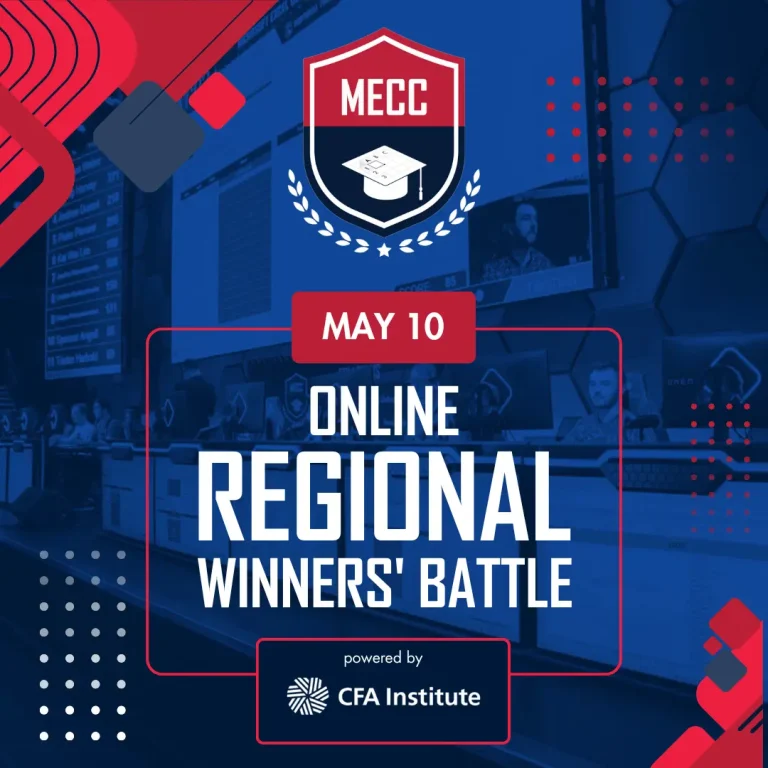
Regional Winners Face Off in High-Stakes Showdown
On May 10, five standout students from across the MECC Regionals met in an intense online competition to earn their place in the MECC Championship Individual Semi-Finals this December. With a guaranteed spot in the championship, travel to Las Vegas, and entry to the Active Cell Training Camp on the line, the pressure was on—and the gameplay lived up to it.
The Competitors
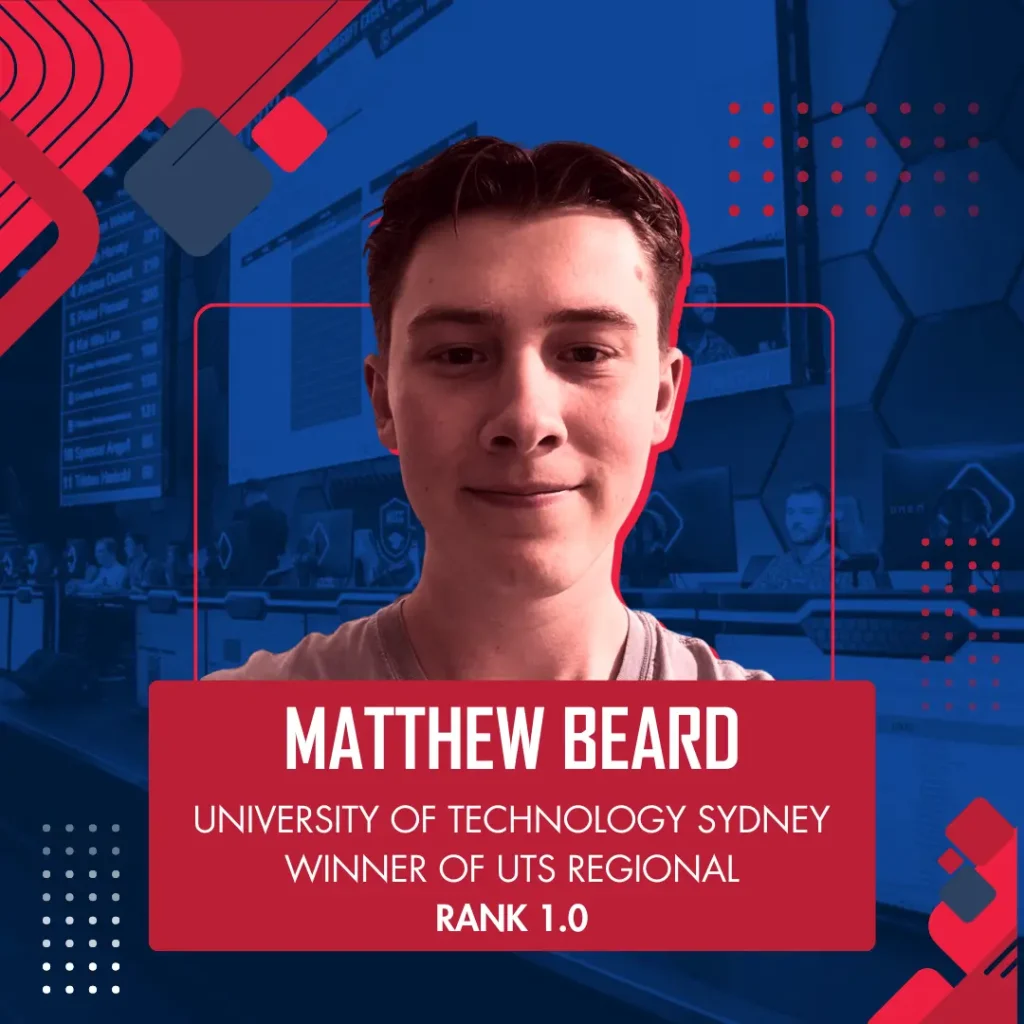
Matthew (University of Technology Sydney)
Entered the match with unmatched momentum, having swept all four cases in his regional—achieving a perfect rank of 1.0. Known for his custom-built lambdas and sharp logic, he was a strong favorite heading into the event.
Andy (University of Kentucky)
Winner of the University of Tennessee Knoxville Regional, Andy came in fresh off a MECC Teams Showdown victory. With a near-perfect rank of 1.2, he placed second only in formatting during his regional and was ready to show his individual strength.
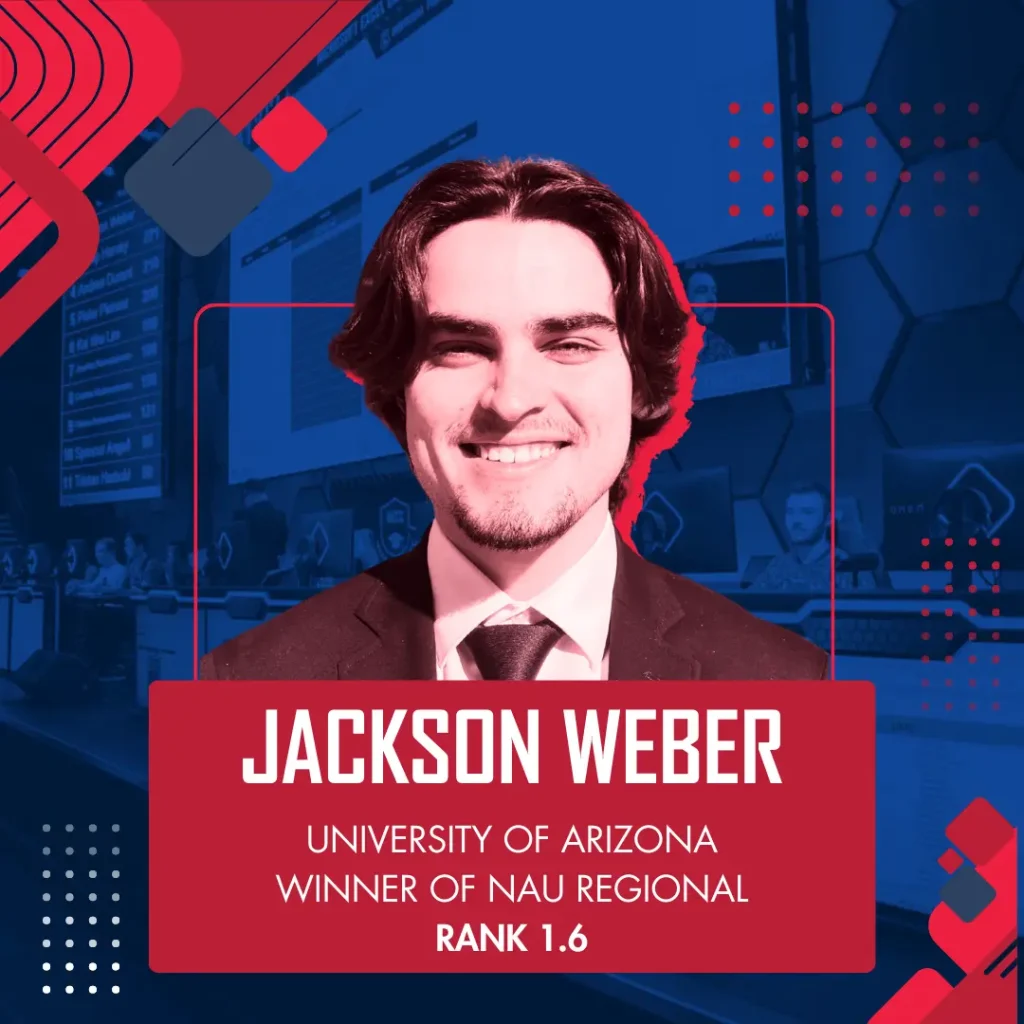
Jackson (University of Arizona)
Champion of the Northern Arizona University Regional, Jackson was looking to top the podium after earning second place in both the Teams Showdown and the 2024 Team Finals. He earned three first-place finishes in his regional, entering this match with a rank of 1.6.
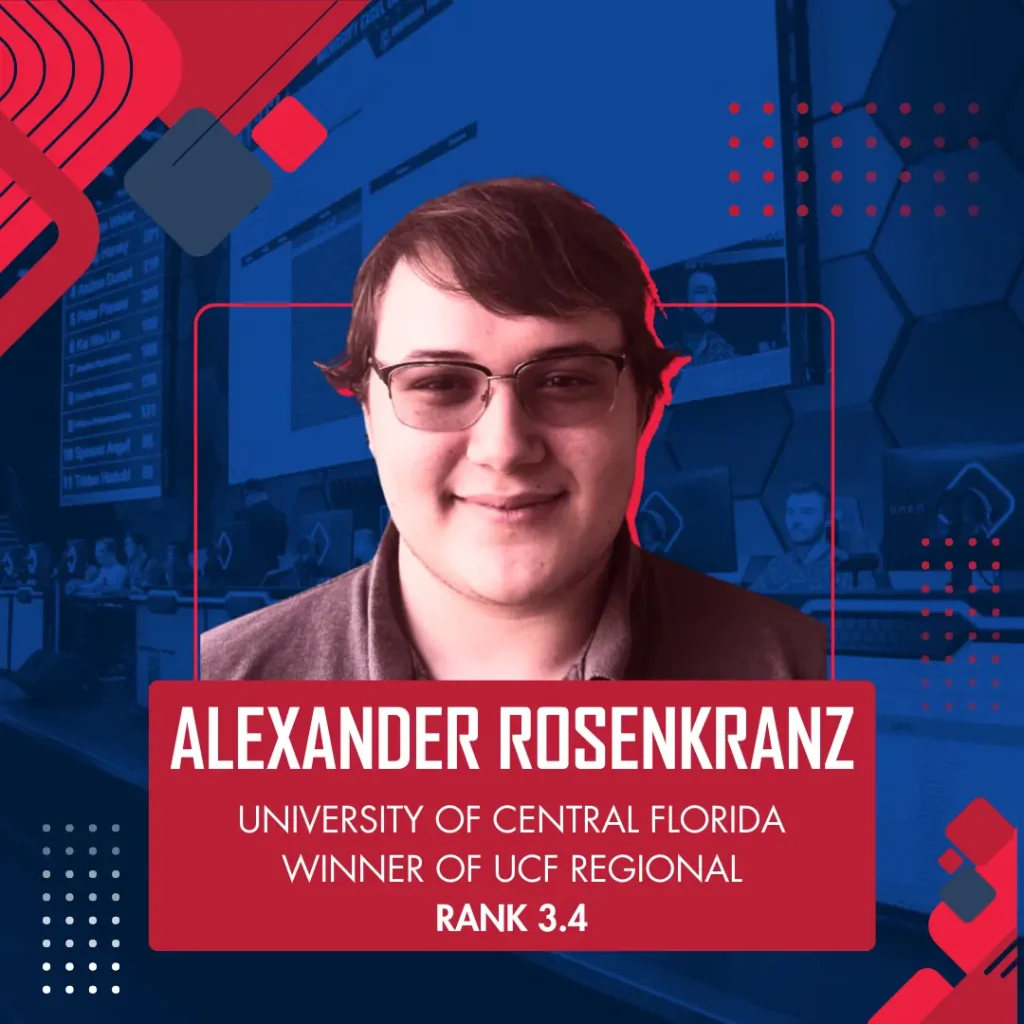
Alexander (University of Central Florida)
Alex didn’t take first in any regional case but showed impressive consistency, finishing with a solid overall rank of 3.4. He was the only competitor without the Case Explorer badge, which could pose a challenge given the case structure of this match.
Dylan (Messiah University)
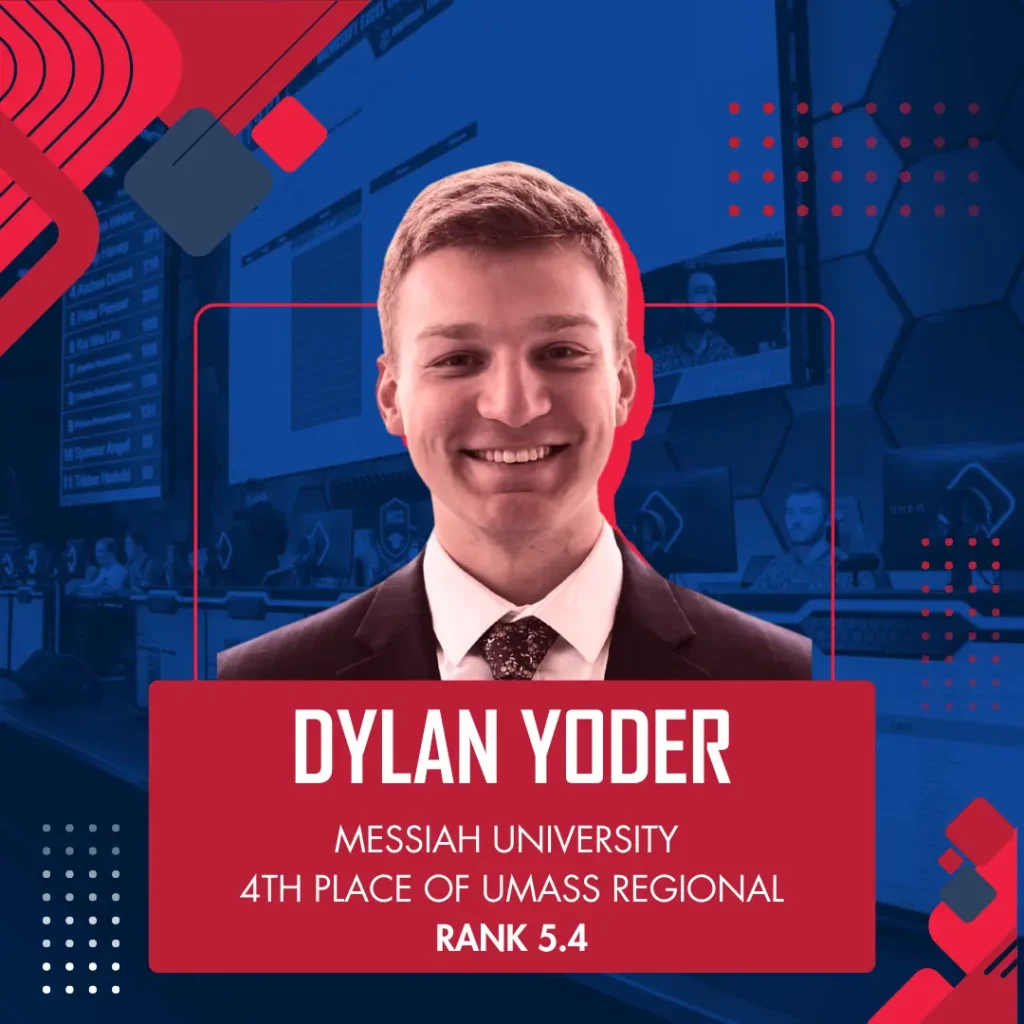
An underdog and late addition to the lineup, Dylan stepped in for graduating top players from the UMass Amherst Regional. With a rank of 5.4, he embraced the opportunity to compete and learn among the best.

The Case Structure
This case was no ordinary challenge. Designed by David Brown, it consisted of seven standalone levels, each connected to one of the MECC Regional cases or training cases. Participants could choose which level to start with, creating a dynamic environment where preparation and familiarity with past material were key.
The Case Explorer badge played a significant role. Students who had earned it—by solving previous MECC cases—had early exposure to many of the case mechanics featured in this event. Only Alex hadn’t unlocked the badge, potentially putting him at a disadvantage.
Bonus questions added another layer of strategy: only the first two players to solve each one earned points, raising the stakes for speed and initiative.
Match Highlights
The livestream, hosted by MECC founder David Brown and faculty fellow Eric Kelley, opened with participant introductions and a quick check on who had earned the Case Explorer badge.
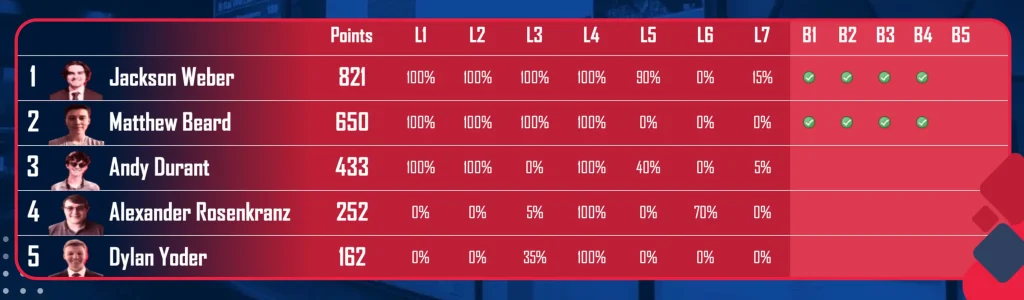
At the countdown—3, 2, 1—the match was on. Within the first minute, Jackson put points on the board by solving a bonus question. Matthew followed closely, using his pre-built lambdas. Both players claimed Bonus 1 and Bonus 2, locking out the others early.
The lead shifted several times between Matthew and Jackson. Jackson focused on quickly securing bonus points, while Matthew surged ahead by solving Level 1 and Level 2 efficiently. Andy joined the scoreboard around the 10-minute mark and continued to work through levels steadily.
Alex began making progress but didn’t appear on the scoreboard right away due to forgetting to submit his answers—once reminded, he joined the scoring field. Dylan earning his first points a short while before that.
As the match progressed, Jackson overtook Matthew, while Andy stayed within striking distance. Alex and Dylan kept moving through their chosen levels, but the top three began to pull clearly ahead.
In the final stretch, Matthew attempted to catch up using a RANDBETWEEN() strategy to crack a remaining level, but Jackson held onto his lead through consistent execution and speed.
Final Standings
Post-Game Reflections
Jackson shared how good it felt to finally take first place after back-to-back second-place finishes in previous team competitions. His lambda library, developed in collaboration with his University of Arizona teammates, proved essential to his win.
Matthew revealed he was about 80% through solving his final level when time ran out. He had entered the match with 19 self-made lambdas but only used a few in this case.
Andy reflected that he had aimed to capitalize on early bonus points, but Jackson and Matthew beat him to it. He shifted focus to solving levels efficiently to stay in contention.
Alex acknowledged the learning curve and emphasized how valuable the experience was, especially in terms of pacing and case navigation.
Dylan, new to Excel esports, said he enjoyed the opportunity to compete and is motivated to improve his speed and dive deeper into learning lambdas.
Lambda Usage and Competitive Edge
Lambda functions—user-created Excel formulas—played a decisive role. Jackson relied on 5–6 lambdas from a shared library he developed with his University of Arizona teammates. Matthew brought 19 of his own lambdas into the match. Andy, meanwhile, noted that he has never used lambdas and is unfamiliar with their application—a possible area for growth as the championship season approaches. Dylan expressed strong interest in learning them, recognizing their power at the competitive level.