 MEWC
 FMWC
 TAC
 EEO

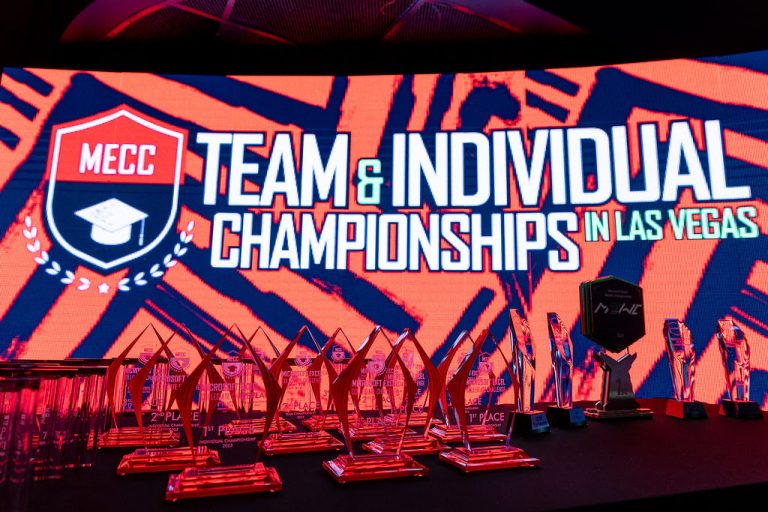
After an exciting first day of learning and competition, participants returned eager for more. Day Two marked a major shift in energy as the MECC Championships moved to the iconic HyperX Arena, setting the stage for the first high-stakes rounds of the season finale.
Morning Sessions: Leveling Up Before the Battles Begin
The morning opened with a fresh round of expert-led sessions, designed to challenge assumptions, sharpen skills, and prepare students for the intense competition ahead.
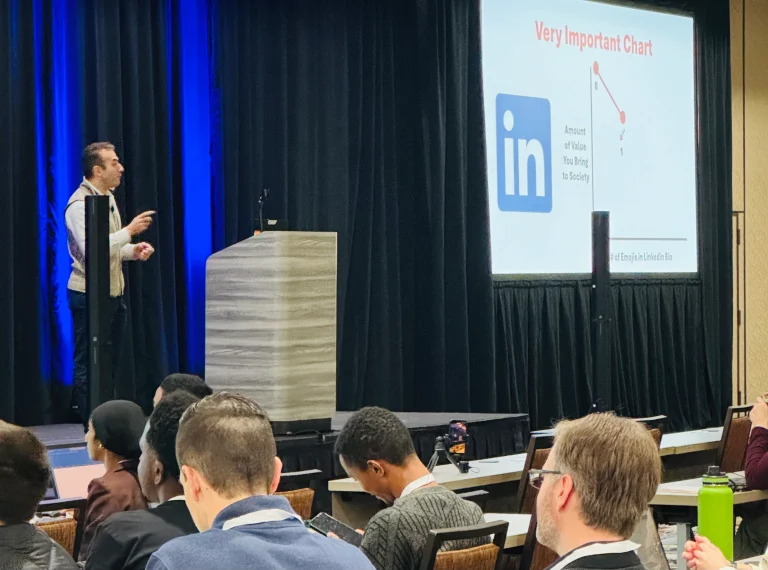
Your Average Finance Bro: Follow Up From Last Year and Some Insightful Advice for Students
We started with a lighthearted but insightful session from Your Average Finance Bro, who returned to give an updated follow-up to last year’s viral presentation on whether Microsoft Excel is a good topic for dates. Blending humor with practical advice, he offered students valuable tips on how to present themselves professionally, build meaningful connections, and secure stronger internship opportunities—proving once again that career readiness and Excel culture can go hand in hand.
Liam Bastick: Rethinking “Simple” Excel Functions
Liam Bastick kicked off the day by exposing common pitfalls hidden inside familiar Excel functions like VLOOKUP, SUM, IF, and PivotTables. Through real-world examples drawn from years of model auditing, he demonstrated how even the most “well-understood” functions can become error traps—and how alternative approaches can help modelers avoid costly mistakes and build more robust workflows.
Geoff Robinson: All Models Are Wrong… But Some Are Useful
Next, Geoff Robinson took the audience on a deep dive into the philosophy and practicality of modeling. Drawing on decades of high-level finance experience, he unpacked why forecasts are inherently imperfect, yet invaluable tools for structured thinking. His session reframed modeling as a discipline of curiosity—rooted in hypothesis testing, base rates, and navigating uncertainty with clarity.
David Fortin: Cheat Your Spreadsheets with Copilot
David Fortin delivered an exciting look at the cutting-edge features reshaping how analysts work in Excel. He walked the audience through the rapid evolution of Copilot since last year, highlighting new capabilities in deep reasoning, enhanced problem-solving, and the emerging Analyst Agent workflow. From improved automation to innovative real-world use cases, his session showcased how Copilot is becoming a true game-changer for anyone looking to work faster, think smarter, and push the limits of what Excel can do.

Afternoon: Awards, Announcements, and Rising Tension
After a short lunch break, the atmosphere shifted from educational to electric. Everyone gathered for the long-awaited LCQR results—first, however, the room paused to celebrate the champions of the Financial Modeling World Cup.
Michael Jarman captured first place, adding another major accolade to his already remarkable résumé, including last year’s Microsoft Excel World Championship title.
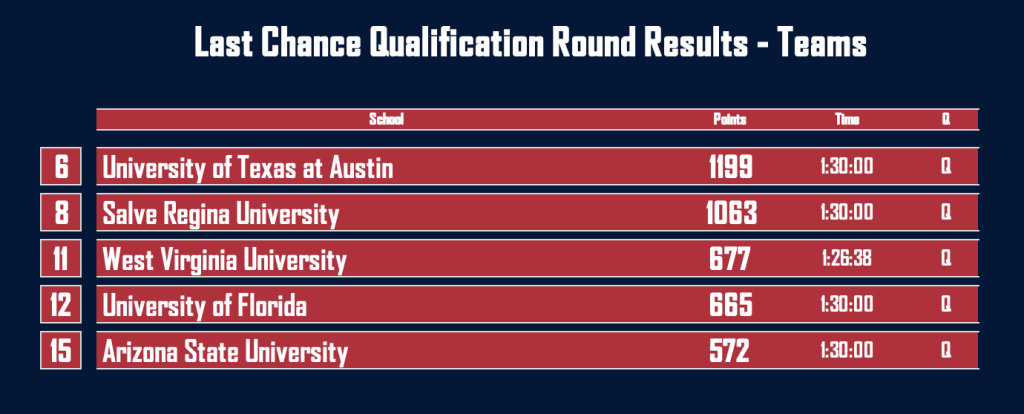
Team Qualification Results
The first results announced were the teams advancing to the MECC Championships. Joining the 14 pre-qualified teams.
For many schools, the LCQR results alone determined their team lineup, leaving students on edge as they awaited the reveal of who would kick off the day by competing in the Team Championships.
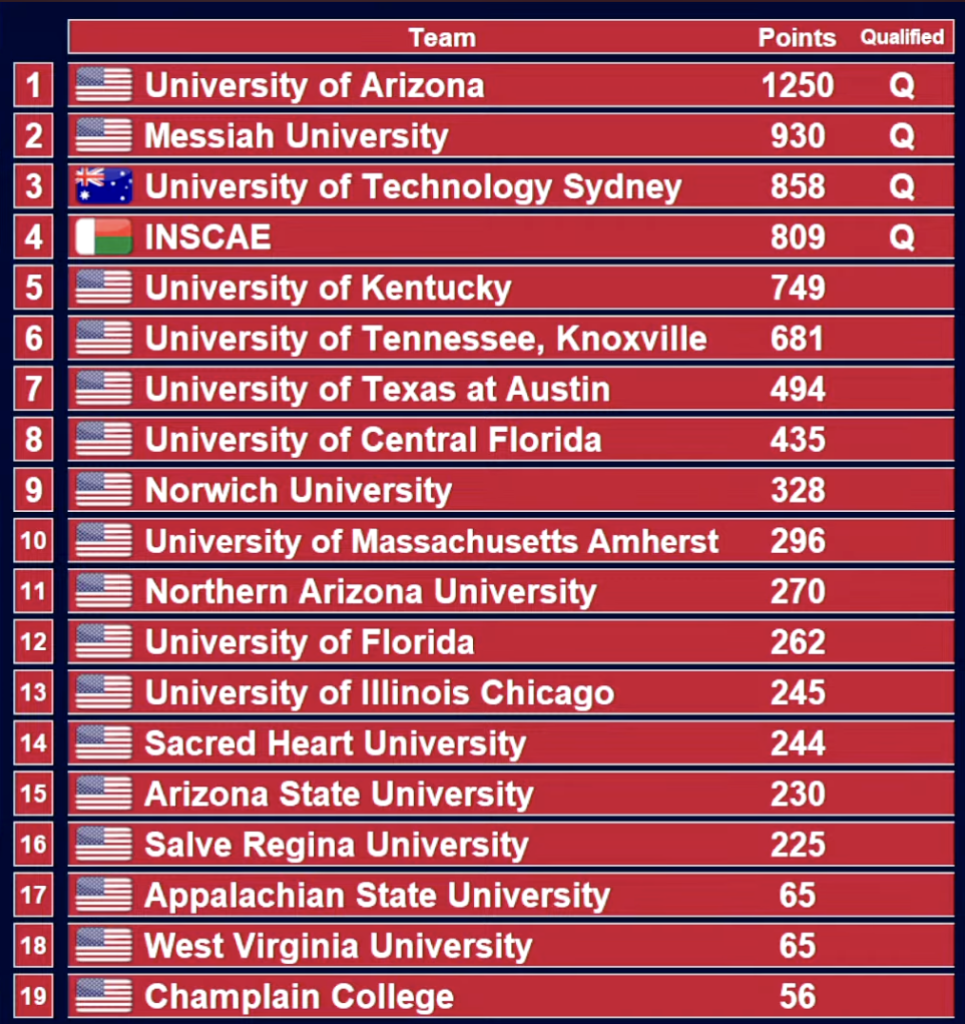
A fierce lineup of 19 teams would soon be battling on stage for the four coveted spots in the Team Finals.
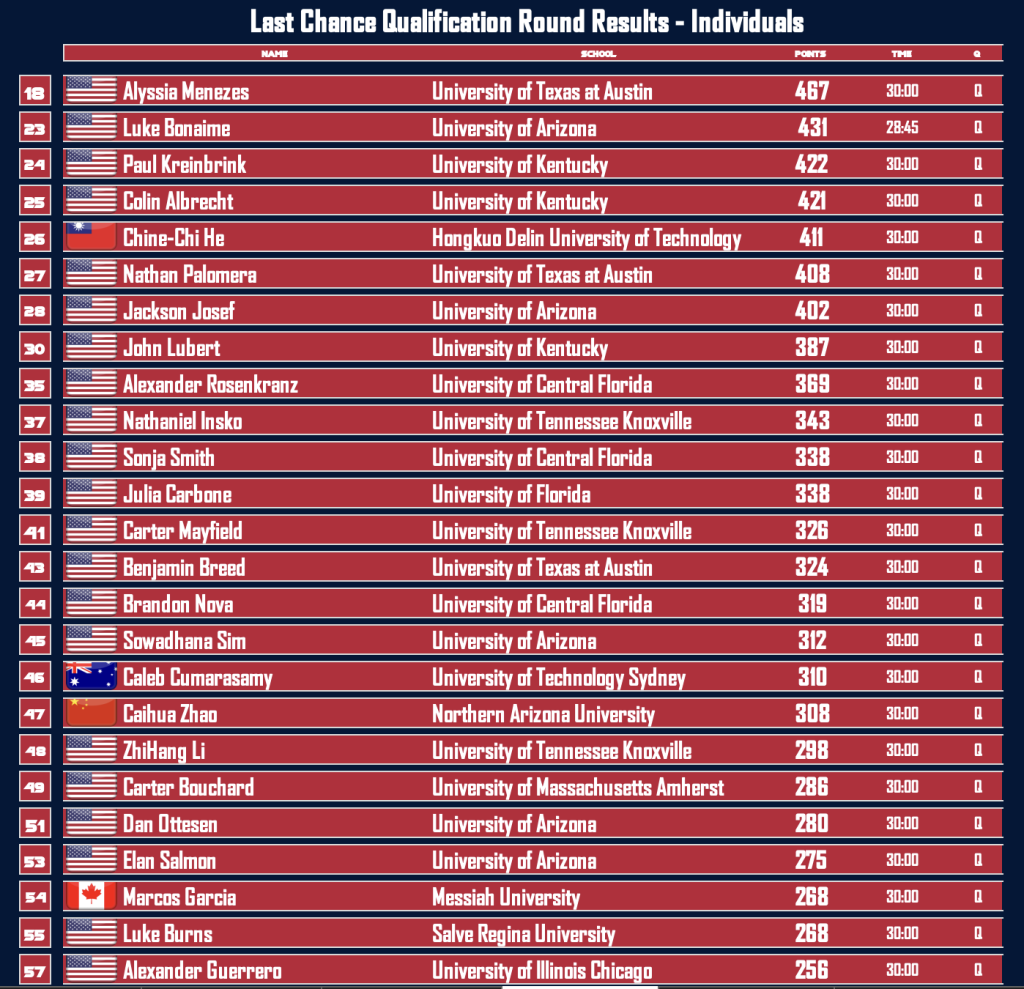
Individual LCQR Qualifiers
Next came the announcement many students had been anxiously awaiting—the 25 individuals who advanced to join the pre-qualified competitors in the MECC Individual Championships.
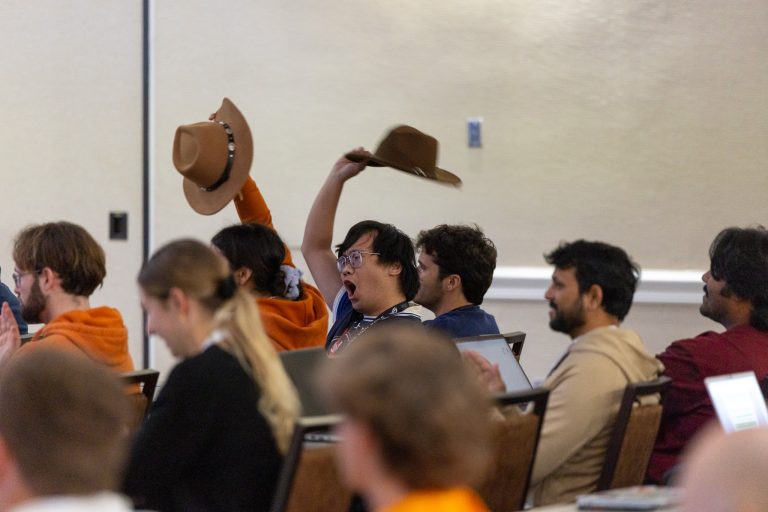
Cheers, applause, and a few relieved exhales filled the room.
MEWC Qualification Results
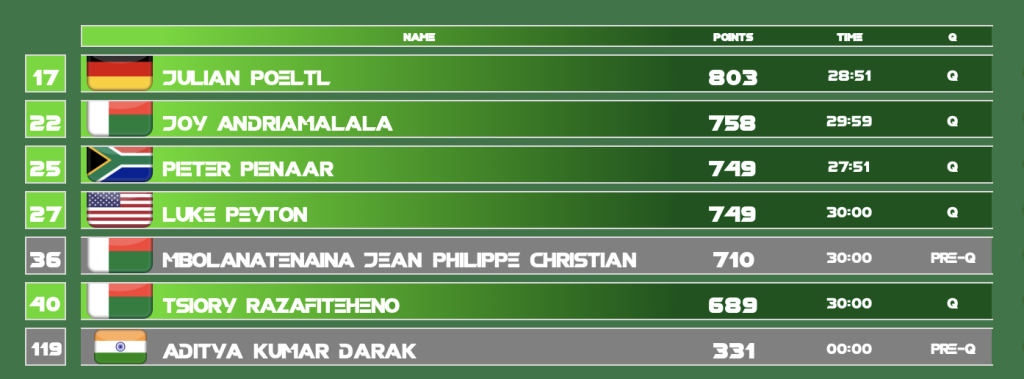
The excitement continued as the event revealed this year’s newly qualified competitors for the Microsoft Excel World Championships.
A total of 7 students will compete alongside industry professionals—and for 2 students, the day became even more intense, as they are now participating in every event across the MECC and MEWC schedules.
Back to Learning: Sharpening the Final Tools
Before heading to HyperX Arena, attendees enjoyed two final educational sessions of the day.
Ian Schnoor: The Swiss Army Knife for Finance Professionals
Ian Schnoor captivated the audience with a session on how to properly review financial models—especially ones you didn’t build. With his trademark clarity, he shared powerful techniques for spotting errors, validating structure, and applying a professional review mindset. He also offered practical Copilot tips to streamline the checking process. His reminder rang loud: “If you bless it, you own it.”
Joe McDaid: Unboxing the Newest Excel Features
Closing the learning block, Joe McDaid brought the room to life with a reveal of the newest Excel features—fresh from the development pipeline. Attendees got a first-hand look at the tools that will shape the next generation of modeling and esports performance.
MECC Team Semi-Finals – Strategy, Speed, and Surprises
The first event of the night, the MECC Team Semi-Finals, kicked off with a travel-planning case centered on a European adventure. The challenge—crafted by University of Tennessee, Knoxville’s Beckett Anderson and Sarah Chandler, members of last year’s championship-winning team—was equal parts fun and demanding, pushing teams to balance strategy, speed, and accuracy under pressure.
The defending champions, University of Tennessee, Knoxville, were the first to put points on the board, with other teams quickly following suit. The opening questions were intentionally accessible, allowing teams to build momentum one point at a time. By minute six, INSCAE had surged ahead with 450 points, followed by University of Technology Sydneywith 355.
At the ten-minute mark, the leaderboard shifted dramatically. University of Arizona took the top spot with 727 points, overtaking INSCAE’s 600. Tennessee (379) and UTS Sydney (355) rounded out the early top four, while Messiah University, sitting at 190 points, had begun gaining steam along with the rest of the field.
Halfway through the match, Arizona extended their lead to 980 points, followed by INSCAE (740), a surging Messiah University (630), and Tennessee (539). With twelve minutes remaining, Arizona unveiled their secret weapon: strategic seat-switching between teammates to capitalize on individual specialties—an approach they refined during training and successfully used last year. The move helped them break the 1,000-point threshold.
From there, the battle for the top four intensified. Messiah University, after a slow start, caught fire and climbed all the way to second place, trailing only behind the dominant University of Arizona. With just over two minutes left, University of Technology Sydney mounted a late push, knocking Tennessee out of the top four and fighting fiercely for a finals berth.
The defining moment came with 70 seconds left, when the University of Arizona became the first (and only) team to fully solve the case, earning the maximum 1,250 points. The crowd erupted as the team celebrated onstage, enjoying a well-earned breather.
Finalists Advancing to the Championship Round
The four teams that rose above the rest and will battle it out on stage for the championship title are:
University of Arizona
Messiah University
University of Technology Sydney
INSCAE
What an incredible game. And for the remaining 15 teams, even though they didn’t qualify, post-game conversations revealed just how much they enjoyed the challenge, the atmosphere, and the chance to push their limits.
A thrilling start to the competition—and a finale worth looking forward to.
Individual Championships Semi-Finals: The Lovebirds Case
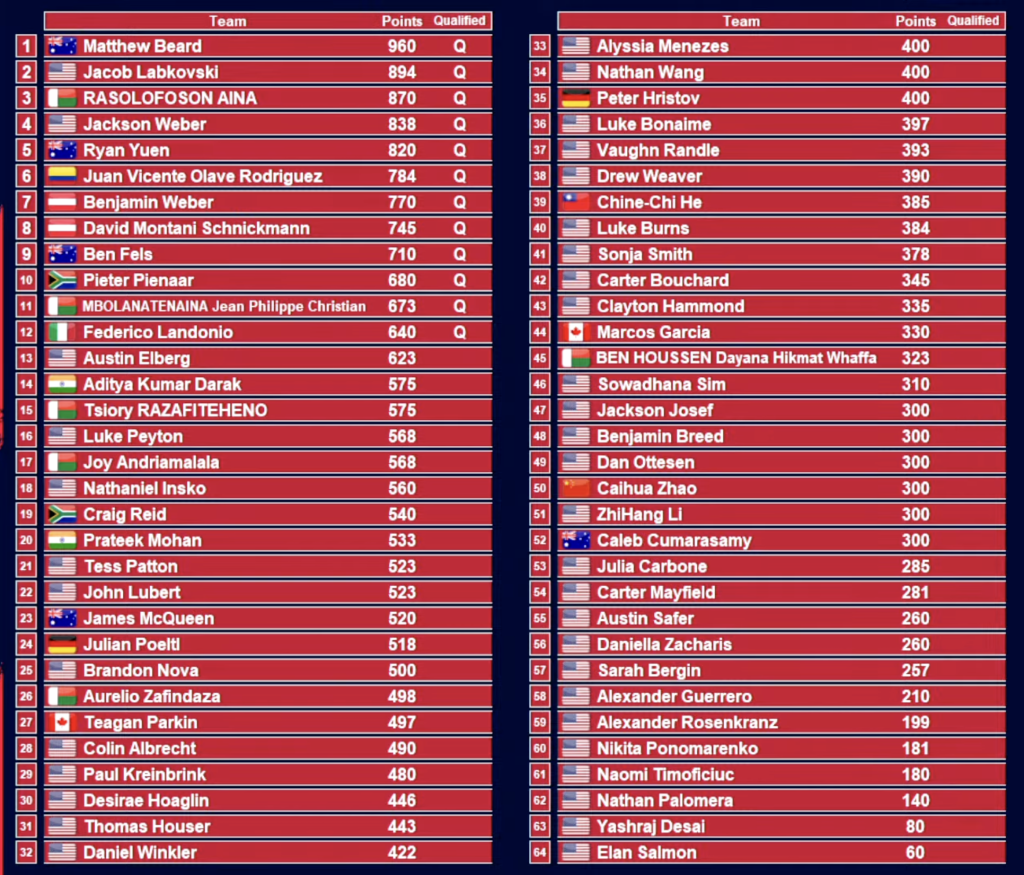
Right after the team competition wrapped, the spotlight shifted to the Individual Championships Semi-Finals, where 64 qualified competitors took their seats—each one chasing a coveted spot in the top 12. Only those 12 would advance to the Finals and secure a share of the $34,000 prize pool, along with premium prizes from ASUS.
This round featured Lovebirds, a whimsical yet technically demanding modeling case created by MECC alumnus Tim Froelich—his first official contribution after graduating. Set in the wildly competitive world of avian dating apps, the case blended humor with advanced modeling challenges, quickly becoming a crowd favorite and a mental gauntlet for participants.
The scoreboard lit up fast: Paul K. posted the first correct answer in just 28 seconds, breaking the silence and triggering a wave of scores as competitors found their rhythm.
By the five-minute mark, an early group of frontrunners emerged:
Juan Vicente – 300 points
Benjamin W. – 260 points
Ryan Y. – 260 points
Matthew B. – 260 points
Pieter P. – 260 points
At ten minutes in, Benjamin W. had carved out a modest but meaningful lead with 660 points, while second place trailed at 490. From that point forward, the competition tightened. Scores rose, strategies diverged, and the leaderboard churned constantly as students raced to solve increasingly complex prompts.
The final minutes were a frenzy, with positions shifting up to the very last submissions.
In the end, these 12 outstanding competitors earned their place in the Finals:
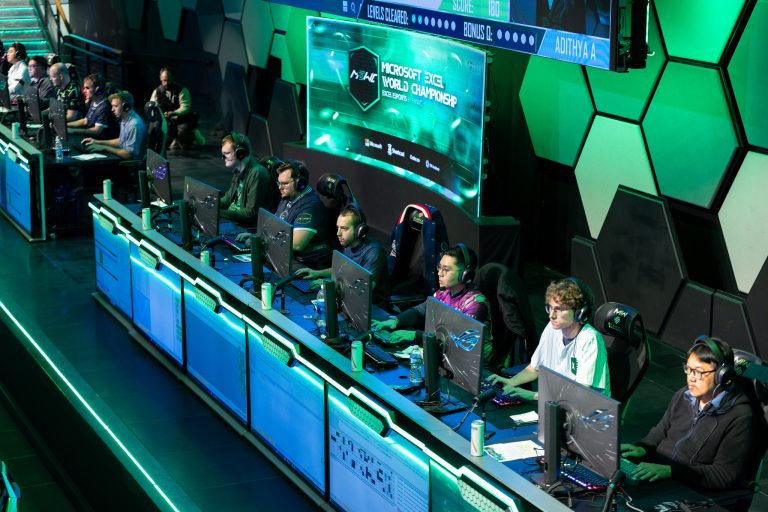
MEWC Quarterfinals: The Professionals Take Over
After a short reset, the HyperX Arena transformed from MECC red to MEWC green.
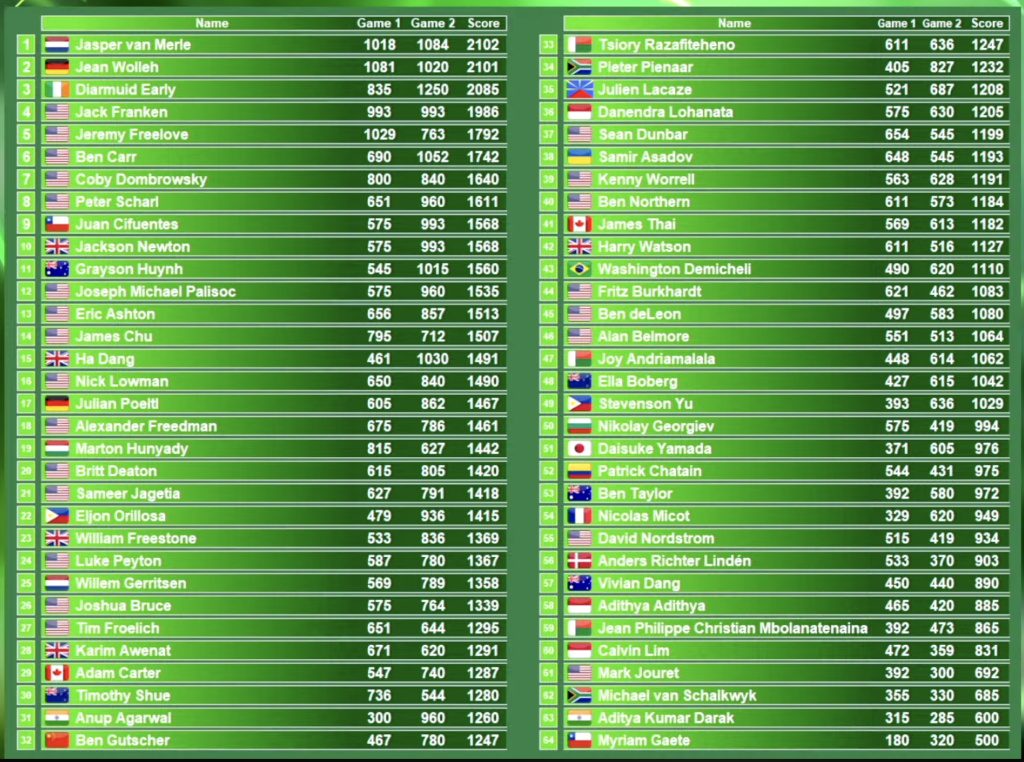
64 professional competitors took the stage for the MEWC Quarterfinals, battling through two cases to earn their Semi-Final spots.
MEWC Quarterfinal Results:
Watch How it all Happened!
End of Day Two: One More Day Until the Champions Are Crowned
After a long, thrilling day full of learning and competition, Day Two came to a close. Anticipation is higher than ever as tomorrow’s matches will determine the next MECC and MEWC Champions.
The final day awaits—and so do the titles.