 MEWC
 FMWC
 TAC
 EEO


The MECC Spring Season 2026 kicked off with the Teams e-Invitational on Friday, hosted by the University of Arizona and MECC Founder David Brown. This unique event combined an in-person experience with an online competition, bringing together students from around the world. The opening event set the tone for the season ahead, highlighting collaboration and innovation at the center of MECC’s mission.
Students attended in person alongside their College Ambassadors while simultaneously connecting online with universities across multiple time zones. The format allowed participants to engage in real-time matches, interact with peers beyond their own institutions, and experience the fast-paced environment of a live competitive event. Different locations, one shared goal: to compete in Excel Esports.

The Teams e-Invitational allows universities to bring multiple teams. Before the competition begins, teams choose their difficulty level:
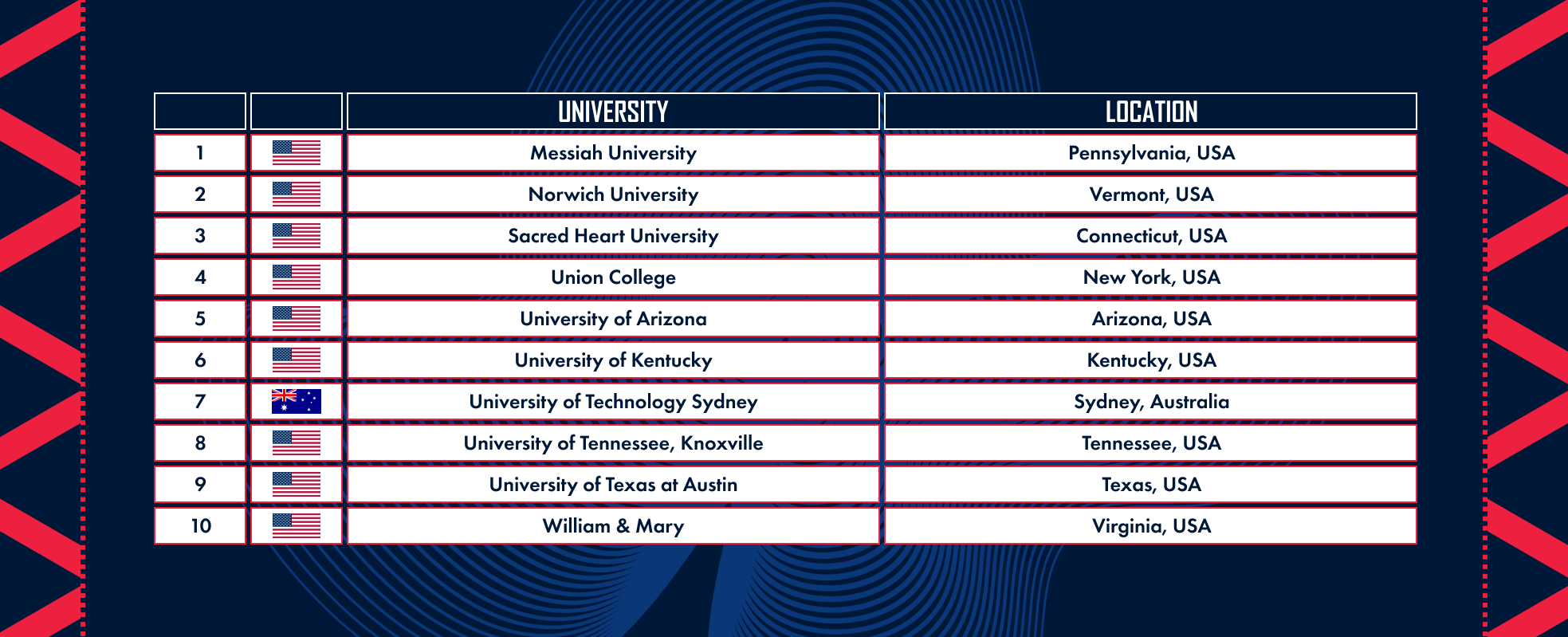
This weekend, 15 Varsity teams and 11 Junior Varsity teams competed, representing 10 universities worldwide:
The battle case was an adapted version of “Feeding Excelopolis,” originally created by MEWC & MECC Founder Andrew Grigolyunovich. The case first appeared in the “Road to Las Vegas” battle, where professional players competed.
With the help of MECC Faculty Fellows, the case was adjusted for both Junior Varsity and Varsity levels, making it more accessible while still challenging.
Both JV and Varsity games ran simultaneously. Teams moved quickly through the early levels, scoring points almost immediately. While the leading teams looked unstoppable at first, progress slowed as the levels became more complex. In the end, although several teams came very close, no one managed to achieve a perfect score before time ran out.

This year’s MECC Team Championships introduce an important update to the format – Quarter-Finals: universities may enter the Quarter-Finals with multiple teams. To be eligible, each team must include at least one pre-qualified player.
Team e-Invitationals serve as one of the qualification pathways for the MECC Team Championship Quarter-Finals in December and offer multiple opportunities to qualify throughout the season. In the Teams e-Invitationals, the top 30% of Varsity team players qualify for the MECC Team Championship Quarter-Finals in Las Vegas, allowing them to compete in December either with the same teammates or by forming new teams – provided they are still enrolled at their university at that time. For upcoming event details visit the Team e-Invitationals page.
Another pathway for universities to secure a Quarter-Finals spot is through school rankings. Overall student participation and activity throughout the season contribute to each university’s ranking, and the highest-ranked schools earn the right to bring a team to the Quarter-Finals. This qualification is tied to the institution rather than specific players.
Both JV and Varsity games ran simultaneously. Teams moved quickly through the early levels, scoring points almost immediately. While the leading teams looked unstoppable at first, progress slowed as the levels became more complex. In the end, although several teams came very close, no one managed to achieve a perfect score before time ran out.
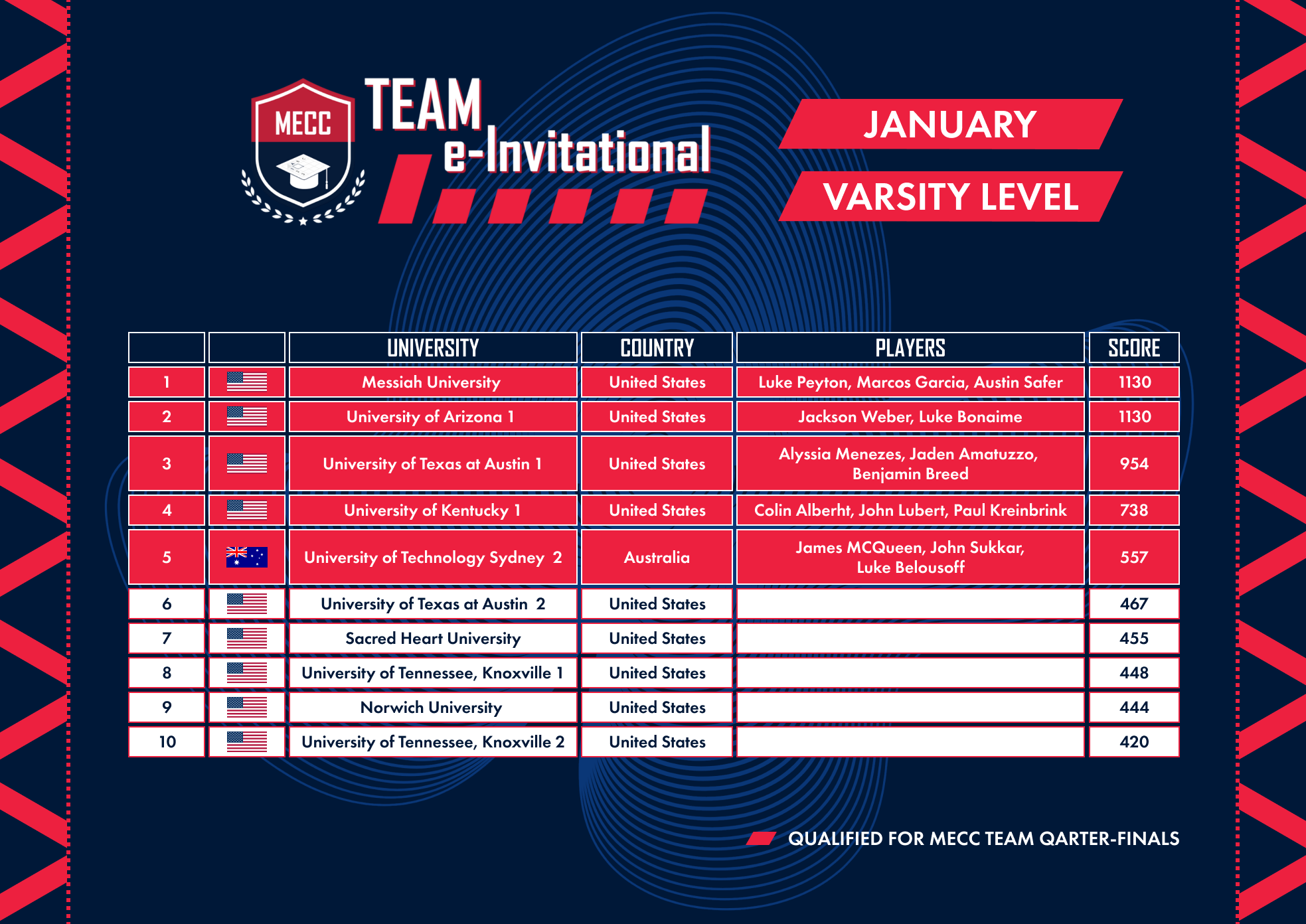
From the January Teams e-Invitational, five schools secured their Quarter-Finals spots with the following players:
As soon as the Teams e-Invitational concluded, the same cases opened for individual players as part of the Weekend Battle. What teams of three tackled collaboratively, individual competitors now faced alone.
Participation was open throughout the weekend, allowing students to choose a time that worked best for them. Players could also compete in both Junior Varsity and Varsity to compare their performance against students worldwide. All upcoming Weekend Battle schedules and times are on the Weekend Battles page.
More than 230 students participated in total. Many began in Junior Varsity, and 155 players also challenged themselves in Varsity.

Several perfect scores were achieved in Junior Varsity, but these came from players who also performed strongly in Varsity, making them ineligible for JV rankings. In Varsity, no perfect scores were recorded – but given the difficulty of the case, the individual results were highly impressive.
This marked a fantastic first competition weekend for the MECC Spring Season 2026. We hope all participants enjoyed the experience and take time to explore the post-competition versions of the cases to master concepts they didn’t quite finish during the event.
This month, competitors can also learn from video walkthroughs created by two Excel Esports players:
We hope you’ll use the time until next month to sharpen your skills and return even stronger for the February Battles (February 20–23).
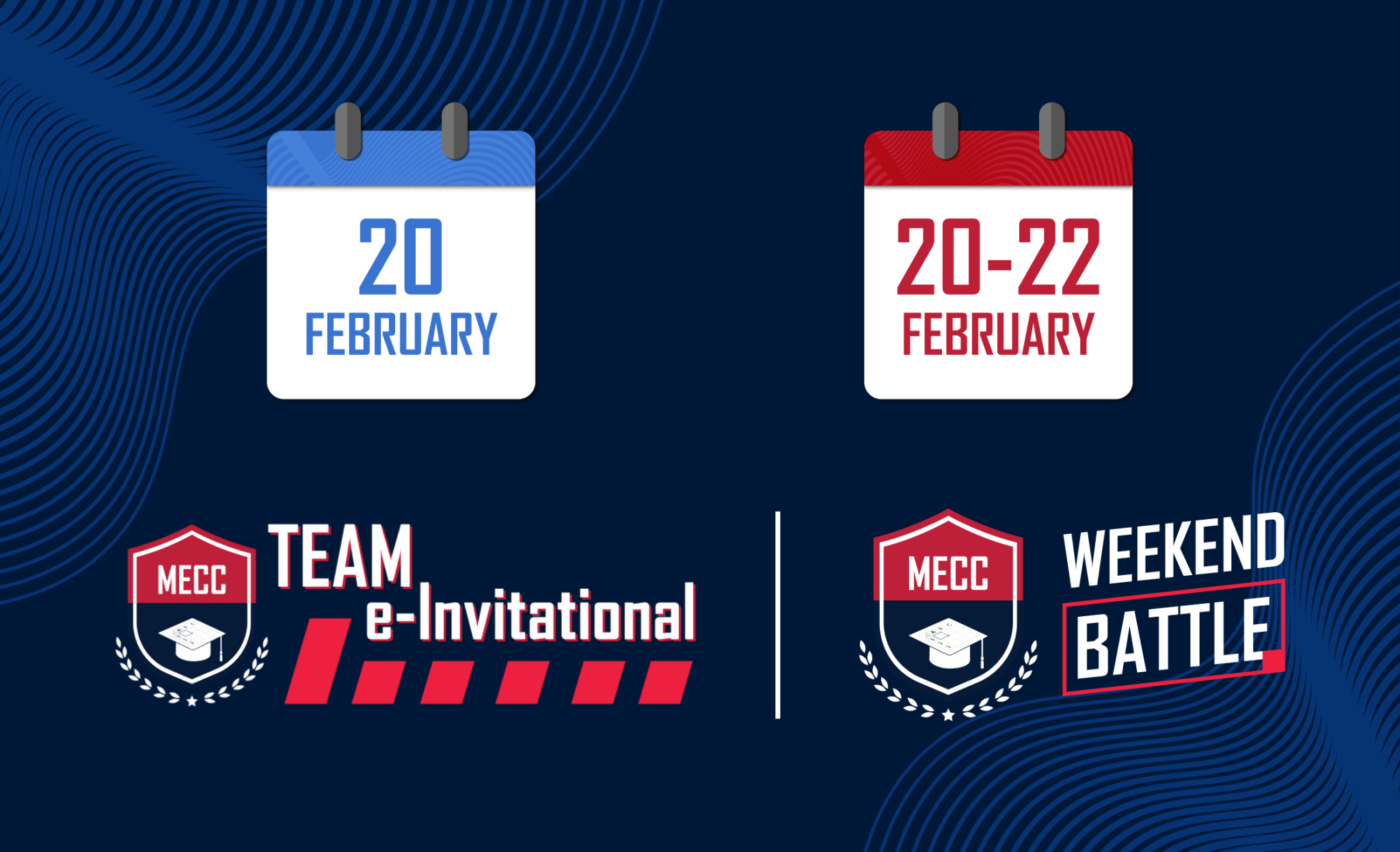
All event times are regularly updated on the Schedules page in advance of each event. Please check this page before attending to ensure you have the most up-to-date information.
© 2022-2026 Microsoft Excel Collegiate Challenge. All rights reserved.